 Vidova
Construction company reel ideas: 16 videos for builders and roofers
Sixteen reel ideas for construction and roofing companies, each with what to film, how long and the request for Vidova. Plus OSHA safety on camera and customer permission.
 Vidova team
Last updated
The short answer
The best reels for a construction or roofing company show one job from start to finish, the crew at work and the care you take on site. Film each stage from the same spot, keep reels to 15 to 30 seconds, and post only footage where hard hats, eye protection and fall protection are in place. Fall protection is the standard OSHA cites most often. Ask the owner before you film a home.
Key takeaways
- Film every job from the same spots at the start, in the middle and at handover. That footage becomes your before and after.
- Every clip you post shows how your site works. Check hard hats, eye protection and fall protection before you post.
- Ask the homeowner in writing, and hide house numbers and licence plates.
Film the same spots on every job
Most of the ideas below come from one habit. On day one, pick two or three spots on the site: the street view, the work area and one close detail. Film 5 seconds from each spot at every stage of the job. Hold the phone upright and level, and mark the spots so the next person can find them.
For paid ads that make the phone ring, such as a callout to homeowners in your city, see how to make video ads for roofers, contractors and home services. This list is for the reels you post every week.
Ideas that build trust
Each idea has what to film, how long the finished reel runs and the request to type in Vidova.
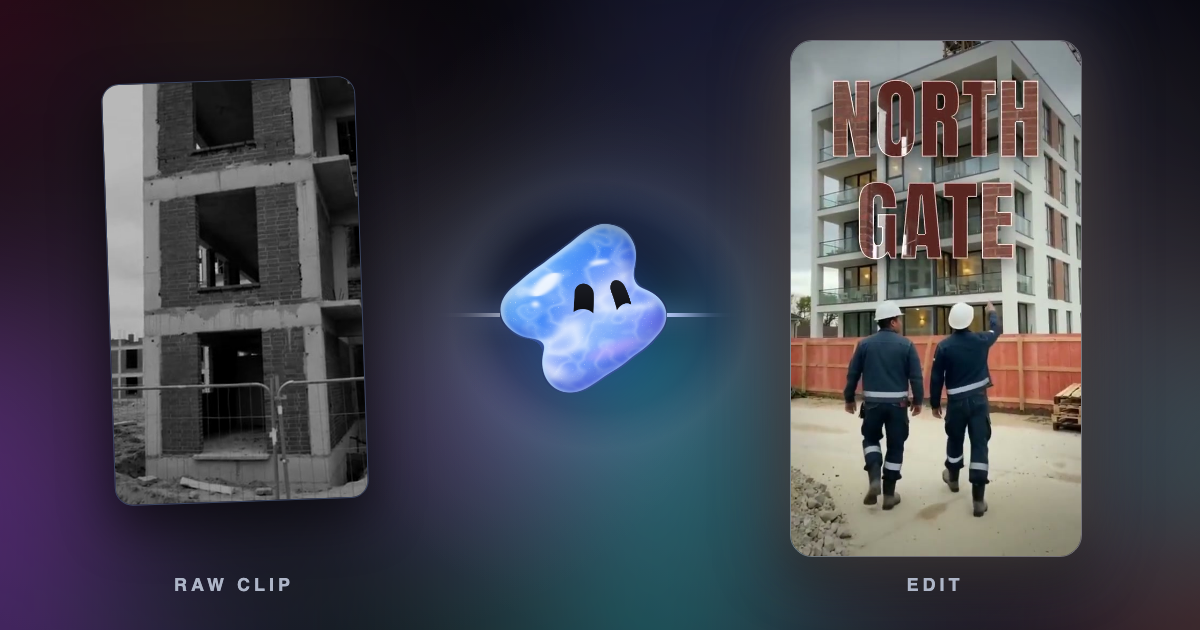
- One job, start to finish. Film: 5 seconds from the same spot at each stage, from the empty site or the old roof to the finished job. Length: 15 to 20 seconds. Ask Vidova: “Make the building go from its frame to finished in 6 seconds, then hold the result and put our name on it.”
- The roof inspection. Film: the problem close up, such as a stain, a lifted shingle or cracked flashing, with you explaining it. Get the homeowner’s permission first. Length: 20 to 30 seconds. Ask Vidova: “Caption my explanation and circle the damage when I name it.”
- The safety setup before work starts. Film: harnesses going on, the anchors, the guardrails and the morning safety talk. Length: 10 to 15 seconds. Ask Vidova: “Cut the setup into a fast 12-second sequence with a short title for each step.”
- How you protect the property. Film: tarps over the plants, the magnet sweep for nails and the clean driveway at the end of the day. Length: 15 to 20 seconds. Ask Vidova: “Show the driveway before and after, with the magnet sweep in slow motion.”
- Meet the crew. Film: each person saying their name and years in the trade, about 3 seconds each. Length: 15 to 20 seconds. Ask Vidova: “Show one person per beat with their name and years in the trade as a title.”
Ideas that bring in bookings
- The question you hear on every quote. Film: the owner answering one question in one take, such as how long a roof replacement takes. Length: 20 to 40 seconds. Ask Vidova: “Cut the pauses, put the question on screen in the first second and add word-by-word captions.”
- The handover. Film: the homeowner seeing the finished job, with their permission. Length: 10 to 15 seconds. Ask Vidova: “Open on the reaction, then the before and after, then our phone number for 3 seconds.”
- Jobs in one neighbourhood. Film: the finished jobs in one area, from the street. Length: 15 to 20 seconds. Ask Vidova: “Start on a map of the area with its name, then show the jobs one by one. No house numbers.”
- One material, close up. Film: the layers of a roof or a wall: the deck, the underlayment, the shingle, the flashing, with you pointing to each one. Length: 15 to 20 seconds. Ask Vidova: “Label each layer as I point to it.”
Behind-the-scenes ideas
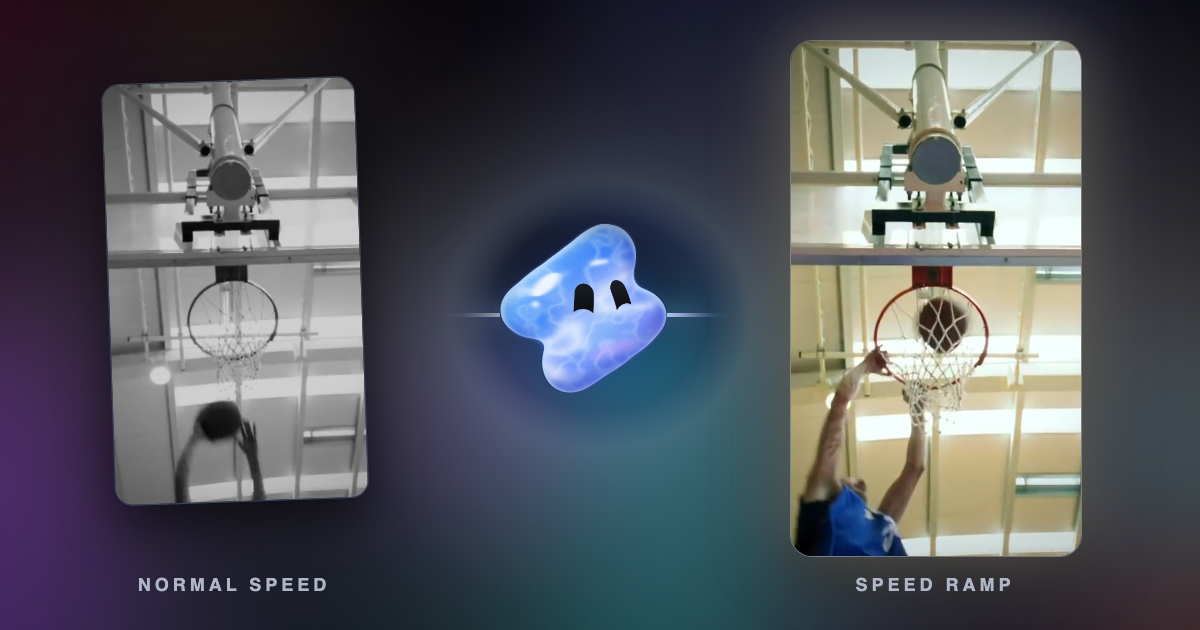
- The 6 am start. Film: loading the truck, the drive, first light on the site. Length: 15 seconds. Ask Vidova: “Speed ramp through the drive and slow down when the first sheet goes up.”
- Delivery or crane lift day. Film: the lift from the ground, with the phone steady on something solid. Length: 10 to 15 seconds. Ask Vidova: “Slow the lift to quarter speed with AI slow motion and keep the real sound of the crane.”
- A drone reveal of the finished job. Film: a slow rise from the front of the building, flown under the FAA’s Part 107 rules. Length: 8 to 12 seconds. Ask Vidova: “Open on the drone rise and put our name and the town on it.”
- The tool of the week. Film: one tool or machine, close up, while a crew member uses it and says what it does. Length: 10 to 15 seconds. Ask Vidova: “Caption the explanation and slow the best second of the tool at work.”
Seasonal ideas
- Before storm season. Film: you on a roof, with fall protection, showing what you check. Length: 20 to 30 seconds. Ask Vidova: “Make a short checklist reel with each item on screen as I show it.”
- After a storm. Film: your crew and trucks out on inspections, and a damaged roof filmed from the ground. Length: 10 to 15 seconds. Ask Vidova: “Say we have inspection slots this week, with the dates and the phone number held for 3 seconds.”
- The year in review. Film: nothing new. Collect the year’s finished jobs. Length: 30 seconds. Ask Vidova: “Make a year in review with one job per beat and counters for the real numbers I give you.”
Site safety on camera: what OSHA requires
Your reels show how your site works, so OSHA’s construction rules apply to what is on screen. The rules most likely to show up in a clip:
- Hard hats. Under 29 CFR 1926.100, workers “in areas where there is a possible danger of head injury” from impact, falling or flying objects, or electrical shock “shall be protected by protective helmets.”
- Eye and face protection. Under 29 CFR 1926.102, the employer “shall ensure” workers use eye or face protection when they are exposed to flying particles and similar hazards.
- Fall protection at 6 feet. Under 29 CFR 1926.501, a worker on a surface with an unprotected side or edge “6 feet (1.8 m) or more above a lower level” needs guardrails, a safety net or a personal fall arrest system. The same 6-foot line applies on steep roofs and in residential construction.
OSHA’s preliminary list of the most cited standards for fiscal year 2026 puts fall protection (1926.501) first. Ladders (1926.1053) are fifth, fall protection training eighth and eye and face protection ninth (updated October 5, 2026).
- Watch every clip for a hard hat off, missing glasses near cutting or grinding, and anyone near an edge without a harness or a guardrail.
- Do not post a clip that shows an unsafe moment, even a short one. Reshoot it.
- Show the safety on purpose: harnesses, anchors and guardrails in the frame tell people you do the job right.
- Drone shots for your business fall under Part 107. The FAA says a drone under 55 pounds can fly “for work or business” under Part 107, and the pilot needs a Remote Pilot Certificate from the FAA knowledge test.
Customer permission and privacy
- Ask the owner in writing before you film their home, and again before you post.
- Hide the house number and the street sign. Vidova covers licence plates, labels and screens with private details, and the licence plate blur tool does the same for one video.
- Blur the faces of neighbours and children with the face blur tool.
- Film only the work area inside a home unless the owner agrees to more.
- On TikTok, business accounts use the Commercial Music Library. TikTok says “businesses cannot use the general music library for commercial usage.”
Make a job reel in Vidova
Take the clips from your same spots, open Vidova, attach them and describe the reel. This is an example brief. Replace the name, the town and the number with yours.
Make a 15-second vertical reel for Northline Roofing from these clips. Open on the old roof from the street, then the tear-off, the new underlayment and the last shingle, all from the same spot, with a speed ramp through the work. Slow the last shingle going down with AI slow motion. Put our name on the finished roof and end on “Free roof inspections in Dayton, call [your number]” for 3 seconds. Hide the house number and the plate of the car in the driveway.
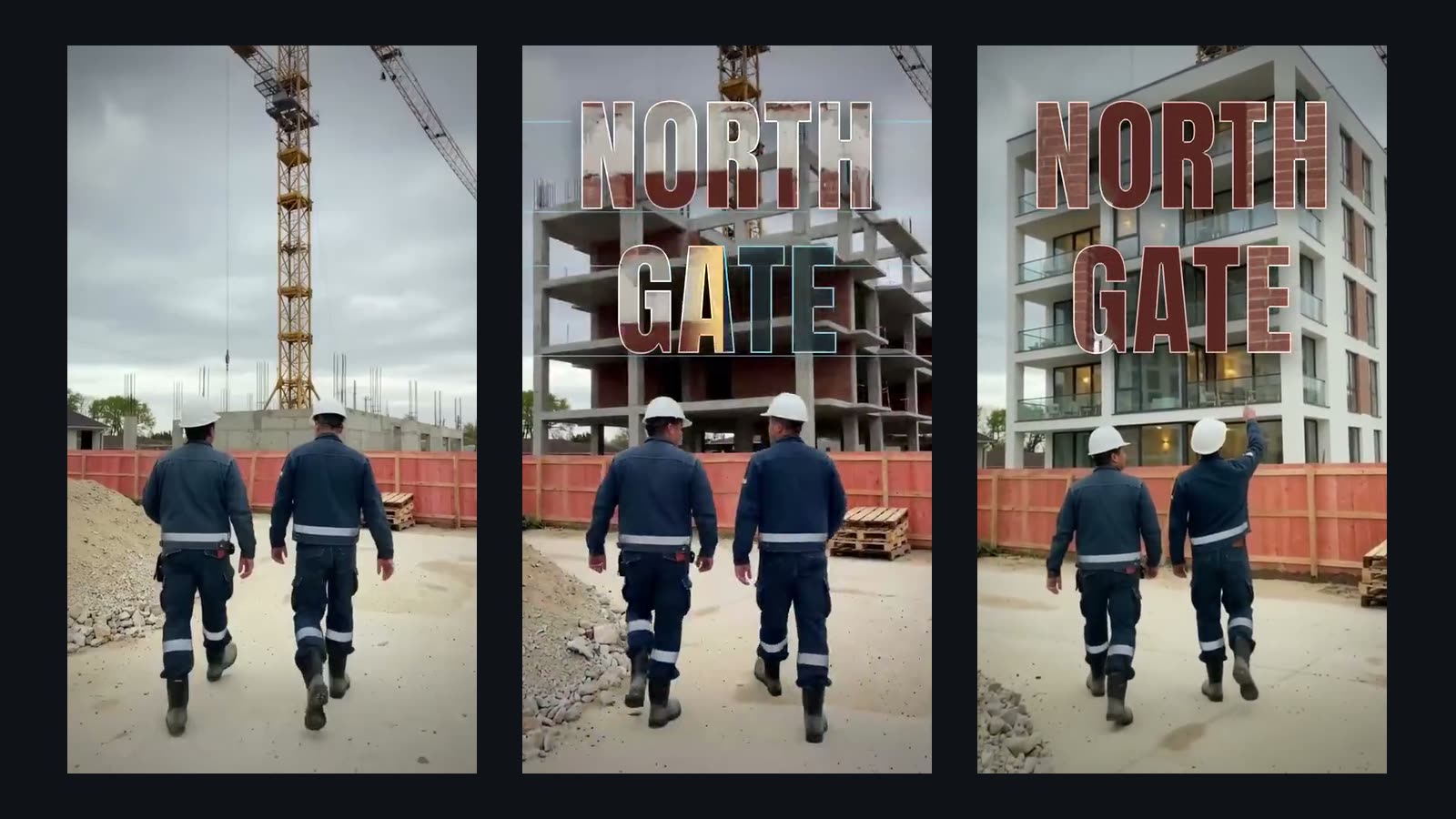
The agent builds the reel on a real timeline. AI slow motion makes new frames between the real ones, so the slowed shot stays smooth. The agent previews frames of its own work and runs a quality check before it hands the cut over. You can start free. Paid plans start at $19 a month, remove the watermark and export up to 4K at 60 fps.
Sources
All sources checked October 2026.